New medications for weight reduction have shown their efficacy. Their optimal utilization is now a topic of interest for scholars.

The development of effective weight loss drugs represents a significant advancement in the field of obesity treatment. As researchers explore the optimal utilization of these medications, several considerations come into play. Here's an overview of the key aspects researchers might be investigating:

1. Effectiveness and Safety:
Clinical Trials: Researchers would likely conduct extensive clinical trials to assess the long-term effectiveness and safety of the new weight loss drugs. This includes monitoring participants for weight loss outcomes and potential side effects.
2. Patient Profiles and Personalization:
Identification of Responders: Researchers might aim to identify specific patient profiles or characteristics that make individuals more likely to respond positively to the new drugs. This could involve genetic factors, metabolic profiles, or other individualized considerations.
3. Combination Therapies:
Optimal Combinations: Exploring combination therapies involving the new weight loss drugs and other interventions, such as dietary changes or increased physical activity, could be an area of interest. Finding the right combination may enhance overall effectiveness.
4. Long-Term Maintenance:
Preventing Weight Regain: Addressing the challenge of weight maintenance is crucial. Researchers may investigate strategies to help individuals maintain their weight loss over the long term, including the continued use of medications or other supportive interventions.
5. Behavioral Interventions:
Integration with Behavioral Strategies: Researchers may explore how behavioral interventions, such as counseling or cognitive-behavioral therapy, can complement the use of weight loss drugs. Behavioral strategies can support lifestyle changes and adherence to medication regimens.
6. Monitoring Adverse Effects:
Risk-Benefit Analysis: Continuous monitoring of potential adverse effects is essential. Researchers will assess the risk-benefit ratio of the medications to ensure that the benefits in terms of weight loss outweigh any potential risks or side effects.
7. Dosing and Administration:
Optimal Dosing Regimens: Determining the most effective dosing regimens and administration schedules for the weight loss drugs is critical. Researchers may explore variations in dosages to find the balance between efficacy and safety.
8. Population-Specific Research:
Research in Different Populations: Conducting studies in diverse populations, including various age groups, ethnicities, and individuals with different obesity-related comorbidities, can help ensure that the drugs are effective across a broad spectrum.
9. Health Economics and Accessibility:
Cost-Effectiveness: Researchers may assess the cost-effectiveness of the new weight loss drugs to evaluate their economic impact on healthcare systems and determine their accessibility to a larger population.
10. Regulatory Approval and Guidelines:
Collaboration with Regulatory Bodies: Collaborating with regulatory agencies to gain approval for the drugs and establish guidelines for their use is a crucial step. Researchers will work closely with these bodies to ensure that the drugs meet safety and efficacy standards.
11. Patient Education:
Educational Initiatives: Developing educational initiatives to inform healthcare professionals and patients about the benefits, potential risks, and proper use of the new weight loss drugs is essential for their successful integration into clinical practice.
12. Post-Marketing Surveillance:
Monitoring Post-Marketing Data: Researchers will continue to monitor real-world data and conduct post-marketing surveillance to identify any emerging issues or patterns not captured in clinical trials.
The ongoing research into the optimal use of new weight loss drugs is a multidimensional effort that encompasses clinical, behavioral, and systemic considerations. Collaboration between researchers, healthcare professionals, regulatory agencies,
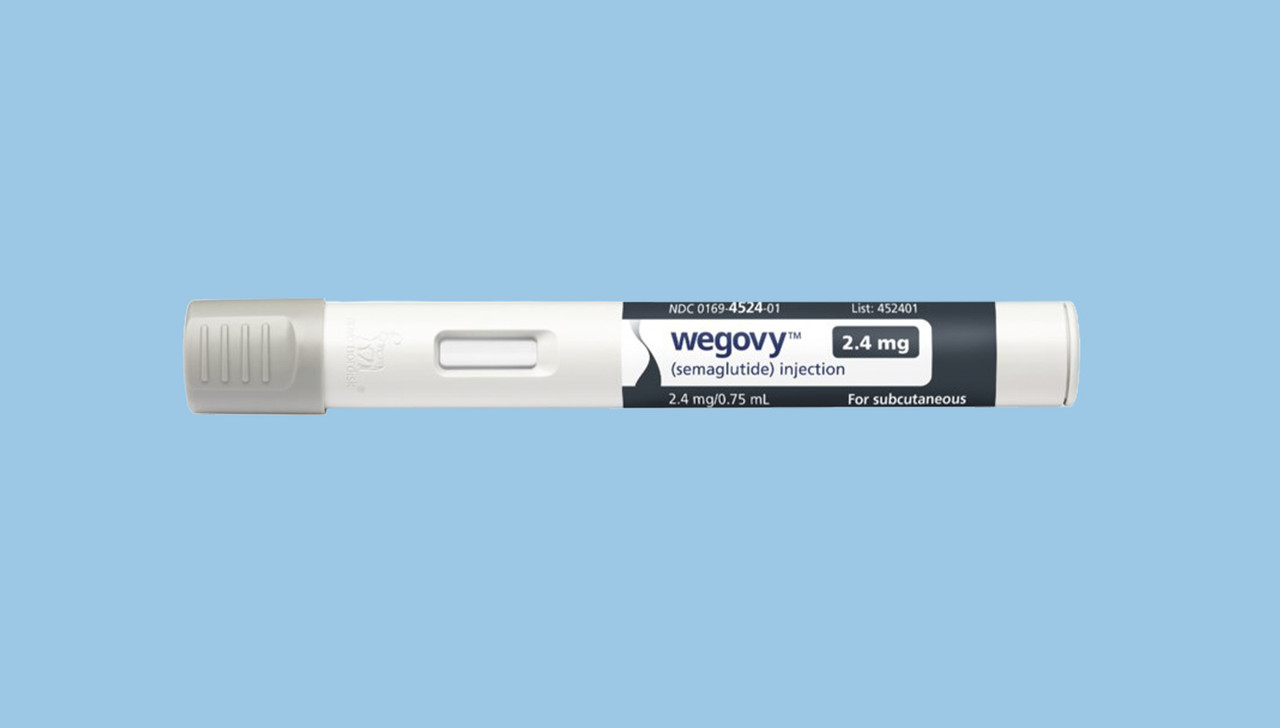
As of my last knowledge update in January 2022, Wegovy (semaglutide) is a medication used for weight management. It is not available in a 2.5mg strength. Wegovy is a higher-dose formulation of semaglutide, specifically designed for weight loss. The typical doses of Wegovy are higher than those used for its other indication, type 2 diabetes.
Wegovy is a glucagon-like peptide-1 (GLP-1) receptor agonist. It works by mimicking the effects of the natural hormone GLP-1, which regulates appetite and food intake. By activating the GLP-1 receptors, Wegovy helps reduce appetite, leading to lower calorie intake and, consequently, weight loss.
The available doses of Wegovy for weight management are usually higher, commonly in the range of 2.4mg once weekly. It's administered as a subcutaneous injection and is generally prescribed as part of a comprehensive weight loss plan that includes a reduced-calorie diet and increased physical activity.
As pharmaceutical information can change, it's important to consult with a healthcare professional or refer to the most recent prescribing information for Wegovy for the latest details on dosage and usage. Always follow the guidance and recommendations provided by your healthcare provider when using any medication.
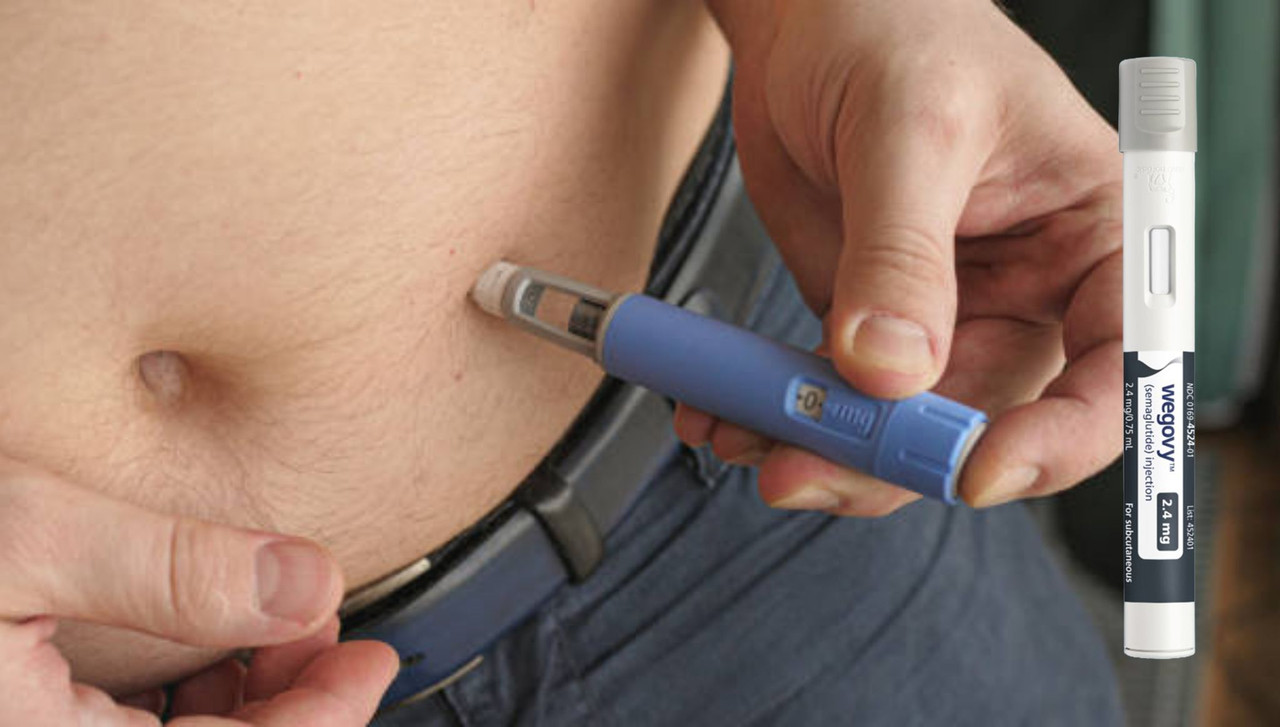
Wegovy (semaglutide) is a prescription medication used for weight management. It is administered as a subcutaneous injection, meaning it is injected under the skin. Here are general guidelines on how to use Wegovy:
1. Prescription and Guidance:
Prescription: Wegovy is a prescription medication, so it can only be obtained through a healthcare provider. Your doctor will assess whether Wegovy is suitable for you based on your medical history and weight management goals.
2. Dosage:
Dosage: The typical dosage of Wegovy is usually a once-weekly injection.
Initial Dose: The initial recommended dose is often lower for the first few weeks before gradually increasing to the maintenance dose. This helps the body adjust to the medication and minimizes potential side effects.
3. Subcutaneous Injection:
Location: Wegovy is administered as a subcutaneous injection, usually in the abdomen (belly) area.
Rotate Injection Sites: It's important to rotate injection sites to prevent irritation or changes in the skin at the injection site.
4. Administration Steps:
Prepare the Dose: If you're using a pre-filled pen, follow the instructions to prepare the dose. If you have a multi-dose vial and syringe, follow the preparation steps provided by your healthcare provider.
Clean the Injection Site: Use an alcohol swab to clean the injection site.
Injecting the Medication: Administer the injection as directed by your healthcare provider. Follow proper technique to ensure accurate and safe delivery of the medication.
5. Follow Healthcare Provider Instructions:
Follow-Up Appointments: Attend follow-up appointments with your healthcare provider as scheduled. These appointments are essential to monitor your progress, assess any side effects, and make any necessary adjustments to your treatment plan.
6. Comprehensive Weight Management Plan:
Diet and Exercise: Wegovy is typically prescribed as part of a comprehensive weight management plan that includes a reduced-calorie diet and increased physical activity. Follow your healthcare provider's guidance on lifestyle changes.
7. Adherence to Treatment:
Consistency is Key: It's important to use Wegovy consistently as prescribed by your healthcare provider. Missing doses or discontinuing the medication without guidance can impact its effectiveness.
8. Side Effects and Concerns:
Be Informed: Familiarize yourself with potential side effects and contact your healthcare provider if you experience any concerns or adverse reactions.
Emergency Situations: In case of severe reactions or emergencies, seek immediate medical attention.
Always consult with your healthcare provider for personalized instructions and guidance on using Wegovy. They will provide specific details based on your medical history and individual needs. Never self-adjust the dosage or discontinue the medication without consulting your healthcare provider.