The MHRA has given its approval to a revolutionary gene therapy for sickle cell disease and thalassemia, which might eventually do away with the need for transfusions
The Medicines and Healthcare Products Regulatory Agency (MHRA) has given final approval to a unique treatment for patients 12 and older with sickle cell disease and transfusion-dependent thalassemia after a comprehensive examination of the drug's safety, quality, and effectiveness.
Casgevy is the first medicine to get FDA clearance for using the groundbreaking CRISPR gene-editing technology; the technique's developers will receive the Nobel Prize in 2020.
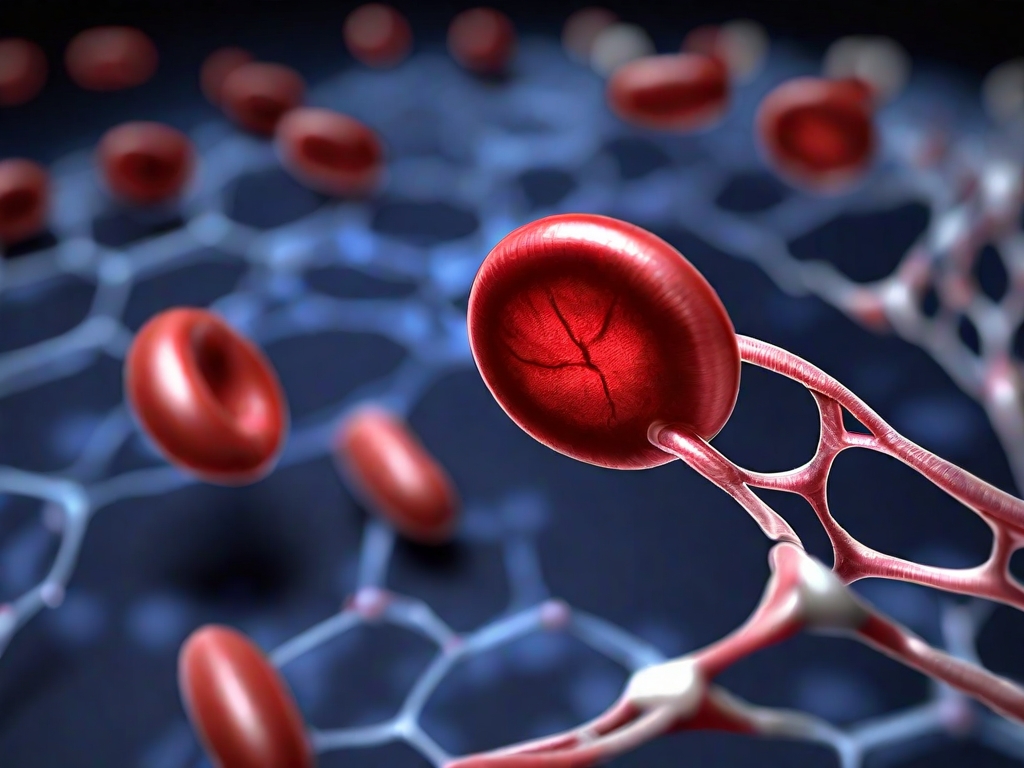
Sickle cell disease and thalassemia both result from a defect in the capacity of red blood cells to carry oxygen. Sickle cell illness is more common among people of African or Caribbean origin. People of Mediterranean, South Asian, Southeast Asian, and Middle Eastern origin are at a greater risk of getting thalassemia.
Painful episodes, risky infections, and anemia (a result of the body's inability to efficiently transport oxygen) are characteristics of sickle cell disease, which results from a genetic defect.
Anemia is a common symptom of thalassemia. In addition to lifetime injections and drugs, patients may require blood transfusions every three to five weeks.
Casgevy works by modifying the patient's own bone marrow stem cells to produce functional hemoglobin, allowing the patient's blood to transport oxygen. Stem cells are extracted from the patient's bone marrow, cultured in a laboratory, and then reintroduced to the patient.
According to Julian Beach, MHRA's Interim Executive Director of Healthcare Quality and Access, both sickle cell disease and beta-thalassemia are painful, life-threatening conditions. A bone marrow transplant, which requires a perfectly matched donor and carries the risk of rejection, has been the only reliable long-term treatment option thus far.
We have authorized Casgevy, a unique and first-of-its-kind gene-editing medication, to help reduce the symptoms of sickle cell disease and transfusion-dependent thalassemia.
The MHRA will continue to monitor the effectiveness and safety of Casgevy using real-world safety data and manufacturer-conducted post-authorization safety studies.
I'd like to express my gratitude to the patients who shared their stories with us throughout the assessment process and helped us better understand their experiences and the challenges they face in dealing with their sickness.
According to John James OBE, chief executive of the Sickle Cell Society, the sickness is exceedingly uncomfortable for people who suffer from it and may possibly cause early death.
There aren't a lot of medications available, so I'm relieved to read about this new treatment that has been shown to be safe and effective.
Test Results
In the clinical trial for sickle cell disease, 45 patients have gotten Casgevy so far, but only 29 of them have been in the trial long enough to participate in the major efficacy interim analysis. Twenty-eight (97%) of these patients reported no longer having acute pain crises after at least 12 months of treatment.
In the clinical trial for transfusion-dependent thalassemia, 54 patients have received Casgevy so far, although only 42 of them have been in the trial long enough to participate in the primary efficacy interim analysis. After receiving treatment, 39 of them (or 93% of the total) did not need a transfusion of red blood cells for at least 12 months. The remaining three patients' need for blood transfusions fell by more than 70%.
Some patients had negative reactions to their treatment, including nausea, tiredness, fever, and an increased risk of infection—all of which are common after autologous (patient's own cells used) stem cell transplantation.
The tests we conducted revealed no major safety concerns. The manufacturer and the MHRA continue to conduct routine safety inspections.
We will have additional information when it becomes available, since both trials are still in progress.
Administration
Doctors create casgevy by taking bone marrow stem cells from a patient and editing a gene in a petri dish. Prior to receiving the modified cells, the patient must undergo conditioning treatments to prepare their bone marrow for the transplant. Once the treated cells have settled into the bone marrow, the patient may need to remain in the hospital for at least a month while the marrow starts producing red blood cells with a stable kind of hemoglobin.
The Commission on Human Medicines, an independent scientific advisory organization, agrees with the government's decision to approve Casgevy after reviewing the evidence carefully.